

Pakistan’s SIM registration system changed in 2026. Under the new 365-day SIM rule, a newly activated SIM cannot be disowned or transferred to another person’s CNIC until one full year — 365 days — after the activation date. Before this change, the wait was only 60 days. The new rule is now in force across all mobile networks in Pakistan — so think carefully before you activate a SIM.
What Does the 365-Day SIM Rule Mean?
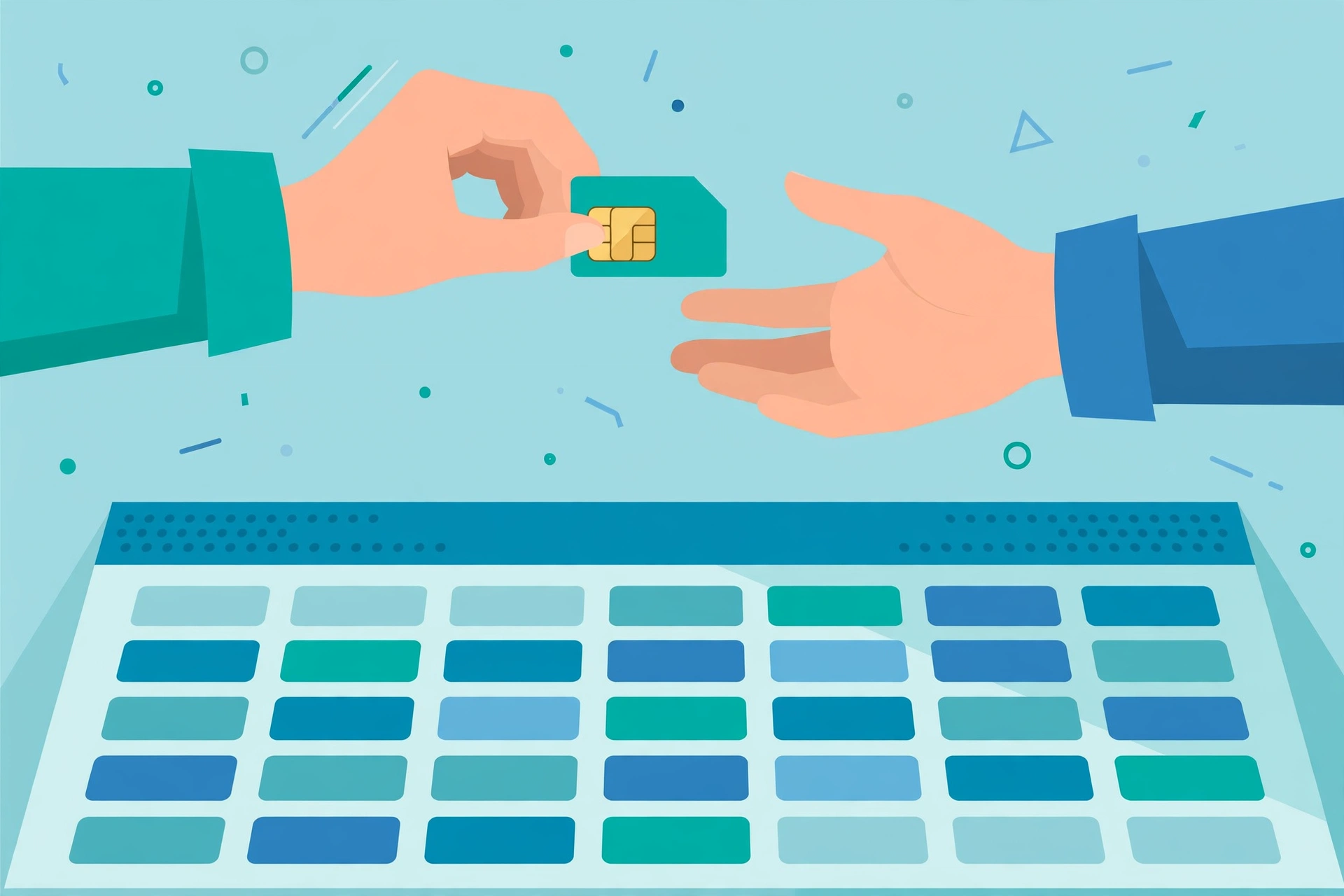
In simple words, it means one year of ownership for a newly activated SIM. Activate a SIM with your CNIC and thumbprint, and it stays in your name for 365 days — you cannot ask the operator to disown it or transfer it to another CNIC during that time.
One common mistake is thinking the timer starts on the day you buy the SIM. It does not. The 365 days are counted from the activation date — the day the SIM was switched on in your name. Every connection has its own 365-day clock, and the rule applies to SIMs activated after the change came into force. An older SIM already active for more than a year is not put under a fresh 365-day wait.
Old Rule vs New Rule
| SIM policy | Old rule | New rule (2026) |
|---|---|---|
| Disowning a newly activated SIM | After 60 days | After 365 days |
| Ownership transfer to another CNIC | After 60 days | After 365 days |
| Countdown starts from | Activation date | Activation date |
| Blocking a lost or stolen SIM | Allowed | Allowed |
The big change is the waiting period: 60 days has become 365 days — six times longer. A SIM you activate today stays tied to your CNIC for a full year.
Is the 365-Day SIM Policy Official?
Yes — this is an official PTA change, not a social media rumour. Reports say it came through a government notification in May 2026, followed by a PTA advisory on 24 May 2026. News outlets covered it in late May 2026, and Geo Fact Check verified the claim with a PTA official in June 2026.
Why Was the Waiting Period Increased to One Year?
The main reason is mobile security and identity protection. When a SIM can be passed from person to person quickly, it becomes hard to know who really used a number — fraudsters could activate SIMs, use them, and dump them fast. The longer period gives the authorities a stable record of who first registered each connection.
It also fits PTA’s wider work to make SIM registration safer: limiting SIMs per CNIC, stronger checks at issuance with biometric verification, waiting periods for certain SIM services, and clearer responsibility for the person named on the SIM. The goal is simple — make it harder to use mobile connections for identity theft and fake registrations. Our PTA SIM rules 2026 guide covers the full set of new changes.
Other New PTA Rules That Came With It
The 365-day rule was not the only change in 2026. PTA has banned SIM sales between 12:00 AM and 6:00 AM, to cut late-night activations at dishonest outlets. PTA has also tightened the rules for inactive SIMs: a SIM inactive for 180 days can be permanently deactivated and its number recycled. So a number you leave unused for six months may not be yours any more — keep important numbers active with regular use.
What Can You Still Do — and What You Cannot Do?
The rule does not mean your SIM becomes useless for a year — calls, SMS and mobile data keep working normally. During the wait, you can also block a lost or stolen SIM, report an unfamiliar SIM on your CNIC, and complete biometric verification.
What you cannot do for a newly activated SIM is disown it — ask the operator to remove it from your CNIC — or transfer it to another person’s CNIC. The policy is about ownership changes, not ordinary use. Blocking a lost SIM is always allowed; changing its owner is not, until the year is over.
How to Check the SIMs Registered Against Your CNIC
Checking your registered connections is a good habit, now that a new SIM stays on your CNIC for a full year.
Method 1: SMS to 668
Send your 13-digit CNIC number (no dashes) to 668. You will get a reply showing the SIMs on your CNIC on each network. The SMS costs Rs. 2 plus tax. Our how many SIMs on my CNIC guide explains the full steps.
Method 2: PTA SIM Information System
You can also use PTA’s SIM Information System at cnic.sims.pk. To check who owns a specific number, see our SIM owner details by number guide. Check your SIMs regularly — it is the only way to catch an unknown connection.
What If You Find an Unknown SIM on Your CNIC?
Finding a SIM you do not recognise should never be ignored. An unknown SIM eats one of your slots — PTA allows a maximum of 8 SIMs per CNIC (5 voice and 3 data-only). If your slots are full, you cannot buy a new SIM until you remove the extras.
- Identify the network. The 668 reply tells you which operator issued the extra SIM.
- Visit the operator’s franchise or service centre with your original CNIC. A photocopy is not enough.
- Tell them the SIM was issued without your consent and ask them to disown it from your CNIC.
- Ask for the SIM to be blocked if disowning is refused because of the one-year rule.
- File a PTA complaint the same day if the operator does not help — call 0800-55055 or file online at complaint.pta.gov.pk. Keep the operator’s complaint number as your dated proof.
PTA has not published a separate procedure for SIMs issued without consent, so if a franchise refuses to remove a fraudulent SIM, do not argue at the counter — take the refusal in writing and file the PTA complaint straight away. Our guide to blocking an unauthorised SIM explains the full process.
Does the 365-Day Rule Apply to Every Network?
Yes. The policy applies to all operators working under PTA regulations — Jazz, Zong, Telenor and Ufone. Wherever you buy a new SIM in Pakistan, the same one-year rule applies.
Can You Block a SIM Before 365 Days?
Yes. If your phone or SIM is lost or stolen, contact your mobile network and ask them to block the connection. The 365-day rule does not stop you from protecting a lost or stolen SIM — blocking is different from changing ownership, and it is always allowed. You can also ask your operator to deactivate a connection, but deactivation is not the same as disowning.
How to Calculate the 365 Days
Count one year from the activation date, not the purchase date. For example, if your SIM was activated on 15 September 2026, the one-year period runs until 15 September 2027.
How to Transfer a SIM After 365 Days
Once the one-year period is complete, the transfer follows the normal process. Both owners must go to the operator’s franchise or service centre together, each with their original CNIC, and both give thumbprints for biometric verification.
Before you go, check two things. First, the new owner must have a free SIM slot — if their CNIC already has 8 SIMs, the transfer cannot be registered. Second, clear any unpaid postpaid bill on the number, because the operator can ask for that first. Our SIM ownership transfer guide covers the full steps, including what to do if one owner has died or is abroad.
Why You Should Be Careful When Buying a New SIM
The longer wait makes it more important to think before you register a new connection. A SIM on your CNIC is your responsibility for a full year, so avoid these mistakes:
- Do not register a SIM for a friend or relative. If they misuse it, the record points to you.
- Do not share your thumbprint for someone else’s activation.
- Do not buy from an unauthorised seller. Buy only from an official franchise or authorised retailer. Our guide to buying a new SIM card explains how to buy safely.
- Do not activate a SIM you do not plan to keep. Under the old rule you could change your mind after 60 days — now you must wait a full year.
Before you activate a new SIM, complete your biometric SIM verification correctly.
Benefits and Downsides of the New Policy
The 365-day rule may feel strict compared with the old 60-day period, but it is meant to improve SIM security: stronger identity protection, fewer fake registrations, better ownership records, and less misuse of personal information. A newly registered connection stays tied to its first owner for longer, so the record is harder to break. The biggest drawback is flexibility — someone who changes their mind soon after activating a number must wait much longer, and a SIM wrongly registered on your CNIC is harder to remove quickly. The lesson is clear: activate a SIM only when you truly intend to keep it in your own name.
365-Day SIM Rule: Common Myths and Facts
| Common claim | What the policy says |
|---|---|
| A new SIM can be transferred whenever you want. | A newly activated SIM cannot be transferred during the 365-day period. |
| The rule applies to only one mobile network. | The policy applies to all operators regulated under PTA. |
| The rule stops normal SIM use. | Calls, SMS and mobile data keep working normally. |
| An unknown SIM on your CNIC can be ignored. | You should report any unfamiliar registration at once. |
| The waiting period starts when you buy the SIM. | The countdown starts from the activation date. |
Frequently Asked Questions
What is the 365-day SIM rule in Pakistan?
It is a PTA policy under which a newly activated SIM cannot normally be disowned or transferred to another person’s CNIC until 365 days have passed from activation. It replaced the old 60-day wait in May 2026.
Does the 365-day rule apply to all mobile networks?
Yes. It applies to all operators working under PTA regulations — Jazz, Zong, Telenor and Ufone.
Can I block my SIM if my phone is stolen?
Yes. If your phone or SIM is lost or stolen, call your operator and ask them to block it. The 365-day rule does not stop you from protecting a lost or stolen connection.
What happens after 365 days?
Once the one-year period from activation is complete, you can ask for disowning or transfer under the normal PTA and operator procedures. Both owners must visit the franchise together with their original CNICs.
What should I do if I find a SIM on my CNIC that I never bought?
Visit the operator’s franchise with your original CNIC, ask for the SIM to be blocked, and file a PTA complaint the same day on 0800-55055 or at complaint.pta.gov.pk.
Conclusion
The 365-day SIM rule is one of the biggest changes to Pakistan’s SIM registration system in 2026. A connection activated in your name can no longer be disowned after 60 days — it must be kept for 365 days instead. For an average user, the rule is simpler than it sounds: your SIM will not stop working, and you do not have to wait a year to use calls, SMS or mobile data. The one-year limit applies only to changes in ownership.
Stay safe by registering SIMs only for yourself, completing biometric verification correctly, buying through authorised channels, and checking the SIMs on your CNIC. Think twice before you activate a new SIM — once it is on your CNIC, it stays there for a full year.
Updated 21 November 2026. PTA rules and operator procedures can change — confirm the current disowning and transfer process with your operator before you visit a franchise.